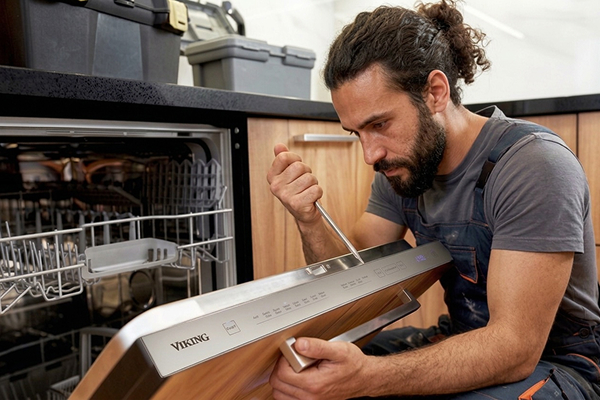
Viking dishwashers are known for their premium build quality and powerful cleaning performance. However, even high-end appliances can develop issues over time due to regular wear, improper maintenance, or installation problems. When a dishwasher stops cleaning properly, starts leaking, or refuses to drain, it can quickly disrupt your daily routine.Understanding the most common Viking dishwasher problems helps homeowners identify early warning signs and avoid more serious damage. Many issues start with small symptoms such as unusual noises, poor cleaning results, or longer wash cycles.In this guide, we’ll explore the most frequent Viking dishwasher issues, explain why they occur, and provide helpful troubleshooting tips so you can determine whether the problem can be fixed at home or requires professional repair.
Why Do Viking Dishwashers Develop Problems?
Like any household appliance, a Viking dishwasher contains mechanical and electronic components that can wear out or become blocked over time. Even minor maintenance issues can lead to noticeable performance problems.Common reasons Viking dishwashers develop problems include:
- Clogged filters caused by food particles and grease buildup
- Hard water mineral deposits that affect spray arms and heating elements
- Blocked spray arms that prevent proper water circulation
- Improper detergent usage, including too much or low-quality detergent
- Drain hose obstructions that stop water from draining correctly
- Worn door seals that may cause leaks
- Electrical component failures, such as sensors or control boards
- Normal wear and tear of pumps, valves, and motors
- Incorrect installation, including improper leveling or hose connections
Regular maintenance and early troubleshooting can prevent many of these issues from developing into major appliance failures.
1. Viking Dishwasher Not Draining
One of the most common Viking dishwasher problems is water remaining at the bottom of the tub after the wash cycle finishes. Normally, the dishwasher should completely remove dirty water during the drain phase. When this process fails, standing water can lead to unpleasant odors and poor cleaning performance.Possible causes include:
- Clogged dishwasher filter filled with food particles
- Blocked or kinked drain hose preventing proper water flow
- Faulty drain pump that cannot push water out of the unit
- Garbage disposal connection blockage (if connected to one)
- Air gap obstruction in the sink area
Homeowners can begin troubleshooting by removing and cleaning the dishwasher filter and inspecting the drain hose for visible blockages. If the pump is not making noise during the drain cycle or the issue continues after cleaning, the drain pump may need professional inspection or replacement.
2. Viking Dishwasher Not Cleaning Dishes Properly
If your Viking dishwasher finishes a cycle but dishes still appear dirty, greasy, or covered with food particles, the appliance may not be spraying water correctly or using detergent efficiently. This issue is especially frustrating because the dishwasher appears to run normally but fails to deliver proper cleaning results.Common causes of poor cleaning performance include:
- Clogged spray arm holes that block water flow
- Dirty or blocked filter preventing proper circulation
- Overloading the dishwasher racks
- Low water pressure inside the appliance
- Using the wrong dishwasher detergent or too little detergent
To troubleshoot this problem, start by removing the spray arms and checking for blocked holes. Cleaning the filter and ensuring dishes are properly spaced can also significantly improve washing performance. Regular maintenance is important to keep water circulation working efficiently.
3. Viking Dishwasher Not Starting
When a Viking dishwasher refuses to start, the issue may be related to power supply problems, electronic controls, or a faulty door latch. In many cases, the dishwasher will appear completely inactive when the start button is pressed.Possible reasons why the dishwasher will not start include:
- Power supply interruption or tripped circuit breaker
- Faulty door latch preventing the dishwasher from starting
- Control panel malfunction or unresponsive buttons
- Child lock feature activated
- Defective control board
Homeowners should first confirm that the dishwasher is receiving power by checking the circuit breaker and outlet. Next, ensure the door is fully closed and the latch is securely engaged. If the control panel still does not respond, a technician may need to inspect the electronic control board.
4. Viking Dishwasher Not Filling With Water
A dishwasher that starts but does not fill with water cannot clean dishes properly. When this problem occurs, the appliance may begin the cycle but produce unusual sounds due to the lack of water circulation.Several issues may prevent water from entering the dishwasher:
- Closed or partially closed water supply valve
- Clogged water inlet valve restricting water flow
- Faulty float switch detecting incorrect water levels
- Low household water pressure
- Defective inlet valve solenoid
To troubleshoot, check that the water supply valve under the sink is fully open. If the dishwasher still does not fill with water, the inlet valve or float switch may require inspection or replacement by a professional technician.
5. Viking Dishwasher Not Drying Dishes
When dishes remain wet after the wash cycle, the dishwasher’s drying system may not be functioning correctly. Viking dishwashers typically rely on heating elements and proper rinse aid usage to dry dishes efficiently.Common causes of drying problems include:
- Faulty heating element that cannot generate sufficient heat
- Insufficient rinse aid which helps water slide off dishes
- Plastic dishes that retain moisture
- Blocked vent system preventing steam release
- Shortened or interrupted drying cycle
Homeowners should check the rinse aid dispenser and ensure it is filled. Running a high-temperature wash cycle may also improve drying results. If the heating element is damaged, it usually requires replacement by a qualified appliance repair technician.
6. Viking Dishwasher Leaking Water
A leaking dishwasher should be addressed quickly to avoid water damage to flooring, cabinets, and surrounding appliances.
- Check the door gasket for damage. Inspect the rubber seal around the dishwasher door for cracks, tears, or debris buildup. Clean it or replace it if necessary.
- Inspect the dishwasher door latch. A loose or misaligned latch may prevent the door from sealing tightly, allowing water to escape during operation.
- Examine the spray arms. A cracked or clogged spray arm can direct water toward the door instead of the dishes, causing leaks.
- Check the dishwasher level. If the appliance is not level, water may flow toward the front and leak out of the door.
- Inspect water inlet and drain hose connections. Loose hoses under the dishwasher can also lead to water leakage.
If the leak continues after checking the door seal and hoses, the issue may involve internal components that require professional repair.
7. Viking Dishwasher Making Loud Noise
While occasional noise during a wash cycle can be normal, persistent grinding, buzzing, or rattling sounds may indicate mechanical problems.
- Check for loose items inside the dishwasher. Utensils or small objects may fall into the bottom of the tub and interfere with the spray arms.
- Inspect the spray arms for obstruction. Dishes that block the spray arms can cause clicking or knocking noises during rotation.
- Examine the dishwasher pump area. Food debris or small fragments may become trapped in the pump, producing grinding sounds.
- Look for worn pump bearings or motor components. Older dishwashers may develop loud humming or grinding noises due to worn internal parts.
- Ensure the dishwasher is properly installed. Loose mounting brackets or uneven installation may cause vibrations and rattling sounds.
If cleaning the interior and adjusting dish placement does not solve the issue, a technician should inspect the pump or motor assembly.
8. Viking Dishwasher Spray Arms Not Spinning
Spray arms play a crucial role in distributing water throughout the dishwasher.
- Remove and inspect the spray arms. Detach the spray arms and check for clogged holes caused by food particles or mineral deposits.
- Clean spray arm openings. Use warm water and a small brush or toothpick to remove debris blocking the spray holes.
- Check for dishes blocking movement. Improperly loaded dishes may stop the spray arms from rotating freely.
- Inspect water pressure inside the dishwasher. Low water pressure may prevent spray arms from spinning properly.
- Examine the circulation pump. If the pump is malfunctioning, it may not supply enough pressure to rotate the spray arms.
When they stop spinning, dishes may remain dirty or partially washed. Regular cleaning of the spray arms and filter helps maintain proper water circulation.
9. Viking Dishwasher Door Not Closing Properly
A dishwasher that does not close properly will not start the wash cycle, as the door latch acts as a safety switch.
- Check for dishes blocking the door. Large plates or improperly loaded racks may prevent the door from closing fully.
- Inspect the door latch mechanism. A damaged or misaligned latch can stop the door from locking in place.
- Examine the door hinges. Worn or bent hinges may cause the door to hang unevenly.
- Look for damaged door seals. A worn gasket may interfere with proper door closure.
- Ensure the dishwasher is level. An uneven installation may affect door alignment.
If the latch or hinges appear damaged, replacing the components is usually required to restore normal operation.
10. Viking Dishwasher Stuck on One Cycle
When a dishwasher remains stuck in one cycle, it often indicates a sensor or control system problem.
- Reset the dishwasher. Turn off the dishwasher at the circuit breaker for several minutes to reset the electronic control system.
- Check the door latch sensor If the sensor does not detect a properly closed door, the dishwasher may fail to advance through cycles.
- Inspect the heating element. If water does not reach the correct temperature, the dishwasher may remain stuck waiting to complete the heating stage.
- Examine the control board. Faulty electronic controls may cause the appliance to freeze during a cycle.
- Look for drainage issues. If water cannot drain properly, the dishwasher may not move to the next stage of the wash process.
Restarting the appliance can sometimes resolve temporary glitches, but persistent issues may require professional diagnostics.
11. Viking Dishwasher Control Panel Not Responding
If your Viking dishwasher control panel does not respond when pressing buttons, the appliance may be experiencing an electrical or electronic issue. In many cases, the dishwasher may appear completely inactive, preventing users from selecting wash cycles or starting the machine.This problem may be caused by several factors, ranging from simple power interruptions to more complex control board failures.
- Check the dishwasher power supply. Make sure the appliance is receiving electricity and that the circuit breaker has not tripped.
- Reset the dishwasher electronics. Turn off the dishwasher at the circuit breaker for about 5–10 minutes to reset the internal control system.
- Inspect the control lock feature. Some Viking dishwasher models have a child lock that disables the control panel until it is manually turned off.
- Clean the control panel surface. Grease, detergent residue, or moisture can sometimes interfere with touch-sensitive buttons.
- Check for a faulty control board. If the panel remains unresponsive, the electronic control board may require professional diagnosis or replacement.
A non-responsive control panel makes it impossible to operate the dishwasher normally. While simple resets may solve temporary glitches, persistent control issues usually indicate a malfunctioning electronic component or wiring problem.
12. Viking Dishwasher Showing Error Codes
Modern Viking dishwashers are equipped with diagnostic systems that display error codes whenever the appliance detects a malfunction. These codes help users and technicians quickly identify which part of the dishwasher may be experiencing problems.While some error codes can be resolved with basic troubleshooting, others may indicate more serious mechanical or electronic failures.
- Identify the specific error code. Check the dishwasher manual or manufacturer documentation to understand the meaning of the displayed code.
- Restart the dishwasher system. Turning off the appliance at the circuit breaker for several minutes may clear temporary errors.
- Check the water supply connection. Some error codes appear when the dishwasher cannot fill with water properly.
- Inspect drainage components. A clogged filter, drain hose, or pump may trigger diagnostic error messages.
- Contact a professional technician if the code persists. Repeated error codes may indicate problems with sensors, pumps, or the control board.
Error codes are designed to simplify troubleshooting by identifying the source of the problem. However, if the same error appears repeatedly, the dishwasher may require professional inspection and repair.
13. Viking Dishwasher Not Heating Water
Hot water is essential for effective dishwashing because it helps dissolve detergent and remove grease from dishes. If a Viking dishwasher fails to heat the water properly, dishes may come out dirty or covered with food residue.This problem may occur due to issues with heating components, temperature sensors, or the household hot water supply.
- Check the household hot water supply. Make sure hot water is available from the kitchen plumbing before starting the dishwasher.
- Run the kitchen faucet before starting the cycle. This helps ensure hot water reaches the dishwasher immediately.
- Inspect the heating element. A damaged heating element cannot raise the water temperature during the wash cycle.
- Examine the thermostat or temperature sensor. Faulty sensors may prevent the heating system from activating.
- Check the electronic control board. Control board malfunctions may interrupt the heating process.
If the dishwasher cannot heat water properly, cleaning performance and sanitation levels will decrease. In many cases, a faulty heating element or temperature sensor must be replaced by a professional technician.
14. Viking Dishwasher Bad Smell
Unpleasant odors coming from a dishwasher are usually caused by food particles, grease buildup, or stagnant water inside the appliance. Over time, these residues can accumulate in filters, drain hoses, and seals, creating persistent smells.Fortunately, most dishwasher odor problems can be resolved through regular cleaning and simple maintenance.
- Clean the dishwasher filter thoroughly. Food debris trapped in the filter is one of the most common causes of bad smells.
- Inspect the drain hose for buildup. Grease and food particles inside the hose can create lingering odors.
- Run a dishwasher cleaning cycle. Use a dishwasher cleaner or vinegar to remove grease and mineral deposits.
- Check the door gasket for mold or debris. Moisture trapped around the seal may create mildew odors.
- Use the dishwasher regularly. Long periods without use can allow stagnant water to develop unpleasant smells.
Keeping the dishwasher clean and free of food buildup is the best way to prevent odors. Regular maintenance ensures the appliance continues to operate efficiently and hygienically.
15. Viking Dishwasher Not Draining Completely
After a normal wash cycle, a dishwasher should remove nearly all water from the tub. If you notice water remaining at the bottom of your Viking dishwasher, it may indicate a drainage issue that needs attention.Partial drainage problems can develop gradually and may eventually lead to odors, poor cleaning performance, or pump damage.
- Check the dishwasher filter for blockages. A partially clogged filter may slow down the drainage process.
- Inspect the drain hose for obstructions. Food particles, grease, or bends in the hose can restrict water flow.
- Examine the drain pump. A weak or failing pump may leave small amounts of water behind.
- Check the air gap or sink drain connection. Blockages in these areas can interfere with proper drainage.
- Verify proper dishwasher installation. Incorrect drain hose positioning may prevent the dishwasher from draining fully.
If water remains inside the dishwasher after each cycle, the problem should be addressed as soon as possible. Fixing drainage issues early helps prevent unpleasant odors, water buildup, and damage to internal components.
16. Viking Dishwasher Keeps Running
Sometimes a Viking dishwasher will continue running far longer than normal or never finish the cycle. This can happen when the appliance fails to detect proper conditions for advancing to the next stage, such as water temperature, drainage, or electronic control signals.If your dishwasher keeps running, it may indicate a problem with sensors, heating, or electronic controls that needs attention.
- Check the heating element. If the water does not reach the proper temperature, the dishwasher may extend the cycle to try to complete heating.
- Inspect the temperature sensor or thermostat. A faulty sensor may prevent the appliance from moving to the next phase.
- Examine drainage components. Poor drainage can stop the cycle from advancing properly.
- Reset the dishwasher. Turn off the appliance at the circuit breaker for several minutes to clear temporary electronic glitches.
- Check the control board. Persistent running may indicate a malfunctioning electronic control system that needs professional service.
A dishwasher that keeps running not only wastes water and energy but may also shorten the appliance’s lifespan. Prompt inspection and repair can prevent further damage and restore normal operation.
17. Viking Dishwasher Leaving White Residue on Dishes
White residue on dishes is a common complaint among Viking dishwasher owners. This can be caused by hard water, detergent issues, or improper loading. Even though dishes appear clean, a cloudy film or powdery spots may remain.
- Check the rinse aid level. Insufficient rinse aid can prevent proper drying and leave mineral spots on dishes.
- Inspect water hardness. High mineral content (hard water) may require using a water softener or adjusting detergent type and amount.
- Use high-quality dishwasher detergent. Low-quality powders or tablets may not dissolve fully, leaving residue.
- Avoid overloading the dishwasher. Overcrowding racks can block water and detergent distribution.
- Clean spray arms and filters. Blocked spray arms or filters reduce water circulation and prevent proper rinsing.
White residue is usually cosmetic, but consistent buildup can indicate water quality issues or inadequate cleaning cycles. Regular maintenance and correct detergent use often eliminate this problem and improve dishwashing results.
How to Troubleshoot Viking Dishwasher Problems
Before scheduling a service call, homeowners can safely perform several basic troubleshooting steps. These simple checks often resolve common dishwasher problems and help identify whether a professional repair is necessary.Here are a few things you can safely inspect:
- Check and clean the dishwasher filter. A clogged filter is one of the most common reasons dishes remain dirty or water does not drain properly. Remove the filter and rinse it under warm water to remove debris.
- Inspect the spray arms. Spray arms may become blocked by food particles or mineral buildup. Make sure the holes are clear and that the arms rotate freely.
- Verify the drain hose. If your Viking dishwasher is not draining, check the drain hose for kinks, clogs, or improper installation.
- Make sure the dishwasher is not overloaded. Overloading the racks can block water spray and reduce cleaning performance.
- Restart or reset the dishwasher. Occasionally, electronic glitches can cause the control panel to freeze. Turning off the power for a few minutes may reset the system.
However, homeowners should avoid certain actions, including:
- Disassembling internal electrical components
- Attempting to repair pumps or motors without proper tools
- Ignoring persistent leaks or burning smells
- Running the dishwasher repeatedly when a malfunction is obvious
Attempting complex repairs without proper experience may lead to additional damage or safety risks.
When to Call a Professional Appliance Technician
While some minor Viking dishwasher issues can be resolved with basic maintenance, certain problems require professional diagnosis and repair. Dishwashers contain electrical components, water connections, and mechanical systems that should only be serviced by trained technicians.You should contact a professional appliance repair technician if you notice:
- Persistent water leaks coming from the dishwasher or underneath it
- Electrical issues, such as the dishwasher not turning on or the control panel not responding
- Burning smells or unusual noises during operation
- Water not heating properly, which may indicate a faulty heating element
- Drain pump or circulation pump failure
- Repeated error codes on the control panel
Delaying professional repairs can lead to more serious problems. For example, a small leak may eventually cause water damage to flooring and cabinetry, while electrical failures could damage the control board or other expensive components.Prompt service helps prevent further damage and ensures the appliance continues to operate safely and efficiently.
How to Prevent Viking Dishwasher Problems
Preventive maintenance is the best way to reduce the risk of Viking dishwasher breakdowns and extend the lifespan of the appliance. Regular cleaning and inspection can help keep the system running smoothly.Below is a simple dishwasher maintenance checklist homeowners can follow.
Monthly Maintenance
- Clean the dishwasher filter thoroughly
- Inspect spray arms for blockages
- Run an empty cleaning cycle with a dishwasher cleaner
- Wipe the door gasket to prevent debris buildup
Every 3–6 Months
- Check the drain hose for clogs or kinks
- Inspect the spray arm holes for mineral buildup
- Ensure the dishwasher is level and stable
Every 6–12 Months
- Deep clean the dishwasher interior to remove grease and limescale
- Inspect door seals for signs of wear or cracks
- Check water inlet connections for leaks
Good Daily Habits
- Scrape large food particles off dishes before loading
- Avoid overloading racks
- Use high-quality dishwasher detergent
- Run the dishwasher regularly to prevent odors and buildup
By following these simple maintenance practices, homeowners can significantly reduce the chances of experiencing common Viking dishwasher problems and keep the appliance operating efficiently for many years.Viking dishwashers are reliable appliances, but they are not immune to occasional problems.
Understanding the 17 most common Viking dishwasher issues helps homeowners identify symptoms early and take appropriate action.In many cases, simple maintenance or quick troubleshooting can restore your dishwasher’s performance. However, when more complex issues arise, contacting a qualified technician ensures safe and effective repairs.By staying proactive with maintenance and recognizing warning signs early, you can keep your Viking dishwasher running smoothly for many years.
FAQ – Viking Dishwasher Common Issues
- Why is my Viking dishwasher not draining?
Your dishwasher may not drain due to a clogged filter, blocked drain hose, or faulty drain pump. Start by cleaning the filter and checking the hose. If the problem persists, the pump may need professional inspection.
- How do I reset my Viking dishwasher?
Turn off the dishwasher at the circuit breaker for 5–10 minutes, then turn it back on. This reset can clear control board errors or freeze issues with the control panel.
- What causes a Viking dishwasher to leave white spots on dishes?
White residue is often caused by hard water, insufficient rinse aid, or improper detergent use. Make sure to use a quality detergent, fill the rinse aid dispenser, and consider a water softener if your water is very hard.
- Why is my Viking dishwasher not cleaning properly?
Common causes include clogged spray arms, dirty filters, overloaded racks, or low water pressure. Clean the spray arms and filter, and ensure dishes are loaded correctly to restore cleaning performance.
- What does it mean when my Viking dishwasher shows an error code?
Error codes indicate specific malfunctions such as water supply issues, drainage problems, or sensor errors. Check your user manual to identify the code, and contact a professional if it persists.
- Why is my Viking dishwasher leaking water?
Leaks can occur from worn door seals, loose hoses, or misaligned door latches. Inspect the door gasket, check hose connections, and make sure the dishwasher is level. Persistent leaks require professional repair.
- How do I fix a Viking dishwasher that won’t start?
Ensure the dishwasher has power, the circuit breaker isn’t tripped, and the door is fully closed. Check for a child lock or unresponsive control panel. If it still won’t start, the control board or latch may be faulty.
- Why is my Viking dishwasher making loud noises?
Loud noises can result from obstructions in the spray arms, loose utensils, or a worn pump or motor. Remove debris from the spray arms and filter, and if noise continues, a technician may need to inspect the pump.
- Why does my Viking dishwasher keep running too long?
If a dishwasher keeps running or never finishes a cycle, it may be due to faulty sensors, heating element issues, or drainage problems. Resetting the dishwasher can help, but persistent issues require professional repair.
- How can I prevent Viking dishwasher problems?
Regular maintenance is key:
- Clean filters monthly
- Inspect spray arms
- Check hoses for blockages
- Use proper detergent and rinse aid
- Run cleaning cycles periodically
This routine reduces the risk of leaks, poor cleaning, odors, and error codes.