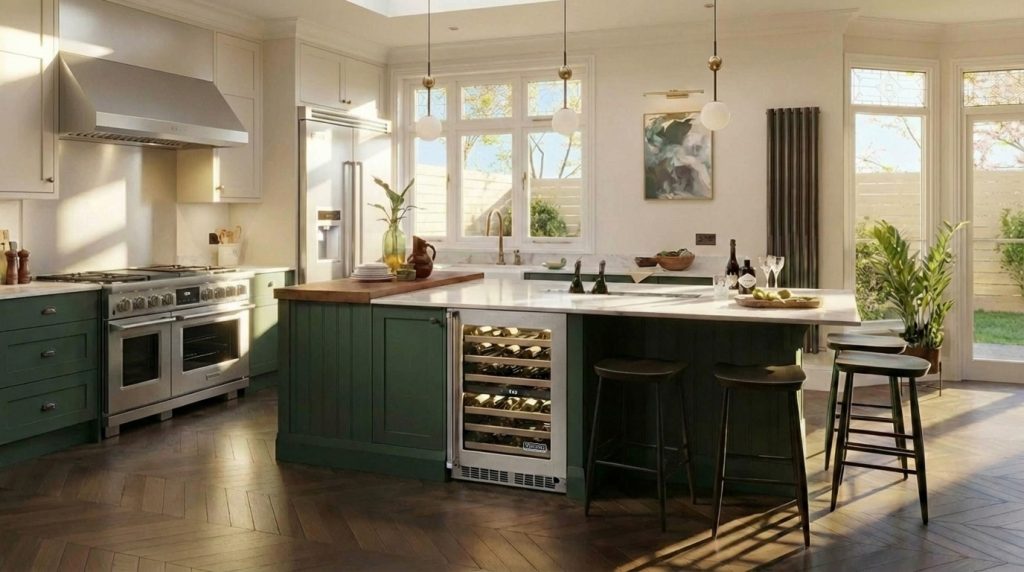
Viking wine coolers are designed to provide precise temperature control, low vibration operation, and optimal humidity levels for proper wine storage. As premium appliances, they are built for performance and longevity. However, like any refrigeration system, even a high-end Viking wine cooler may develop issues over time.
Understanding common Viking wine cooler problems helps homeowners protect their wine collections and prevent minor malfunctions from turning into major repairs. From cooling inconsistencies to control panel failures, early diagnosis is key to maintaining ideal storage conditions for both everyday bottles and valuable vintages.
In this guide, we will explore the most frequent issues affecting Viking wine coolers, explain how to identify them, and clarify when professional Viking wine cooler repair is recommended.
Why Viking Refrigerators May Develop Issues Over Time
Even premium appliances such as Viking wine coolers are subject to natural wear and tear. Internal components like compressors, fans, sensors, and electronic boards operate continuously to maintain stable storage conditions. Over time, mechanical stress and environmental factors can impact performance.
Several factors commonly contribute to Viking wine cooler problems:
- Continuous operation required to maintain narrow temperature ranges (typically 45–65°F).
- Improper installation or ventilation, especially in under-counter or built-in models.
- Power fluctuations or electrical surges affecting sensitive control boards.
- High ambient humidity or temperature changes in kitchens, basements, or cellars.
- Lack of routine maintenance, including coil cleaning and seal inspection.
Because wine coolers are designed for precise storage rather than general food refrigeration, even small deviations can affect long-term performance. Regular inspection and preventive maintenance significantly reduce the likelihood of serious breakdowns.
Top 16 Problems with Viking Wine Coolers
Viking wine coolers are known for their premium design, advanced temperature control systems, and built-in installation options that complement high-end kitchens. However, like any sophisticated appliance that operates continuously to maintain precise climate conditions, these units can develop technical issues over time.
Understanding the most common Viking wine cooler problems helps homeowners identify early warning signs, minimize potential damage to their wine collection, and avoid costly repairs. Below, we outline the top 16 issues owners most frequently encounter — along with practical insights to help you recognize what might be happening with your unit before the problem worsens.
1. Not Cooling Properly
When a Viking wine cooler is not cooling properly, it becomes more than just an appliance inconvenience — it directly threatens the quality and longevity of your wine collection. Unlike standard refrigeration, wine storage requires a stable and precise temperature range to preserve aroma, structure, and aging potential.
How to identify this problem:
- Check if the temperature inside the cooler is consistently higher than the set point.
- Notice if wine bottles feel warm to the touch or condensation appears inside.
- Listen for a compressor that is running longer than usual without reaching the set temperature.
- Monitor if the cooler cycles on and off frequently but still fails to maintain the temperature.
Even slight temperature deviations inside a Viking wine cooler can disrupt proper storage conditions. Identifying the underlying cause early helps prevent spoilage and protects both everyday bottles and valuable investments.
2. Not Turning On
If your Viking wine cooler suddenly stops turning on, it can be alarming — especially if it houses a carefully curated collection. A complete power failure interrupts temperature regulation and may quickly impact internal conditions.
How to identify this problem:
- Ensure the cooler is properly plugged in and the outlet is functional.
- Check if the circuit breaker or fuse has tripped.
- Look for any signs of electrical damage on the power cord or plug.
- Confirm that the display and control panel remain completely unresponsive.
While some causes may be minor, such as external electrical issues, others can indicate internal component failure. Prompt diagnosis is important to restore proper operation and avoid prolonged exposure to unstable temperatures.
3. Vibration Affecting Wine Sediment
Viking wine coolers are engineered to minimize vibration because movement can disturb sediment in aging wines. Excessive vibration is not just a mechanical issue — it can compromise the delicate aging process of fine bottles.
How to identify this problem:
- Notice if bottles rattle or shift when the cooler is running.
- Check for uneven or unstable placement of the cooler on the floor.
- Listen for unusual buzzing or humming that indicates fan imbalance.
- Observe sediment in aged bottles becoming unsettled more quickly than normal.
Over time, worn compressor mounts, unbalanced fans, or improper installation may introduce subtle but constant movement. For serious collectors, maintaining a low-vibration environment is essential for preserving wine quality.
4. Dual-Zone Temperature Imbalance (Upper vs Lower Zone Failure)
Many Viking wine coolers feature dual-zone systems designed to store red and white wines at different temperatures within the same unit. When one zone functions properly while the other does not, it creates uneven storage conditions.
How to identify this problem:
- Compare temperatures displayed on the upper and lower zone panels.
- Touch bottles in each zone to see if they feel warmer or cooler than the settings.
- Look for condensation or frost only in one of the zones.
- Observe if one zone cycles its compressor frequently while the other runs normally.
A dual-zone imbalance can result from sensor drift, airflow separation issues, or independent control failures. Because each zone operates separately, diagnosing the exact source of the problem requires careful evaluation.
5. Condensation on Glass Door Exterior
Condensation forming on the exterior glass of a Viking wine cooler is a common issue in humid environments or when the cooler is located in a warmer room. While it may seem minor, this moisture can indicate temperature or humidity control problems inside the unit.
Excessive condensation can also affect the structural integrity of the door seal and create potential for mold or mildew around the cooler’s edges. Early identification helps prevent long-term damage to both the appliance and surrounding cabinetry.
How to identify this problem:
- Observe visible water droplets on the exterior of the glass door.
- Feel for dampness or moisture around the door frame and seal.
- Check for fogging between double-pane glass.
- Notice if condensation appears more often during hot or humid days.
Condensation often results from improper sealing, high ambient humidity, or temperature differentials. Regular maintenance, proper ventilation, and monitoring of humidity levels can significantly reduce this issue.
6. Water Leaks
Water leaks in a Viking wine cooler can be alarming and may cause damage to flooring, cabinets, and nearby furniture. Leaks are typically caused by blocked drain lines, improper leveling, or internal condensation issues.
If left unresolved, water accumulation can also promote mold growth and compromise the electrical components of the cooler. Detecting leaks early prevents further appliance damage and costly home repairs.
How to identify this problem:
- Look for pooled water at the base of the cooler.
- Check the internal drip tray or drainage system for overflow or blockage.
- Inspect surrounding cabinetry for signs of moisture or warping.
- Monitor for leaks after the cooler has been running for several hours.
Routine inspection of the drainage system and ensuring proper installation level are crucial for preventing leaks. Some models may require professional servicing to address persistent drainage issues.
7. Incorrect Wine Storage Humidity
Viking wine coolers are designed to maintain specific humidity levels to preserve wine corks and labels. Low humidity can dry out corks, while high humidity can lead to mold growth and label damage.
Maintaining the right humidity is essential for long-term wine storage. A cooler that cannot regulate humidity properly may compromise wine quality and longevity, especially for expensive or aging bottles.
How to identify this problem:
- Check corks for dryness, cracking, or shrinking.
- Inspect wine labels for peeling or mold.
- Use a hygrometer to monitor internal humidity levels.
- Notice if humidity fluctuates despite the cooler running normally.
Humidifiers or water trays inside some Viking models help maintain proper conditions. Persistent issues may indicate a failing humidity control system or improper ventilation.
8. Compressor Running Constantly
A constantly running compressor in a Viking wine cooler is a sign that the unit is struggling to maintain the set temperature. This issue not only wastes energy but can also strain internal components, shortening the appliance’s lifespan.
Continuous operation may indicate low refrigerant levels, a faulty thermostat, or blocked airflow. Early attention prevents further damage and ensures stable storage conditions for wine.
How to identify this problem:
- Listen for the compressor running continuously without cycling off.
- Check if the cooler fails to reach or maintain the desired temperature.
- Monitor energy consumption for unusual increases.
- Feel for unusually warm cabinet surfaces indicating inefficient cooling.
Prolonged compressor operation can lead to overheating, higher electricity bills, and premature mechanical failure. Professional service is often required to diagnose refrigerant or thermostat problems.
9. Control Panel Not Responding
The control panel is the central interface for adjusting temperature, humidity, and other settings on a Viking wine cooler. If it stops responding, you lose the ability to monitor or regulate your wine storage environment effectively.
A malfunctioning control panel can be caused by electrical surges, damaged wiring, or a failing electronic board. Promptly addressing this issue helps prevent accidental temperature drift that can negatively affect wine quality.
How to identify this problem:
- Press buttons on the control panel and see if the display responds.
- Check for blinking lights, error codes, or a completely blank screen.
- Observe if the temperature settings cannot be adjusted or stored.
- Listen for unusual clicking or beeping sounds when pressing buttons.
Control panel failure may require professional inspection and replacement of the electronic module. Ignoring this issue can lead to prolonged periods of improper temperature or humidity for your wine.
10. Interior Light Not Working
A functioning interior light allows you to see your wine collection clearly and contributes to the overall display aesthetic of your Viking cooler. When the light fails, it can be inconvenient and may indicate electrical or bulb issues.
While not immediately critical for wine preservation, a non-working light can point to underlying wiring problems or LED strip failures that might affect other electronics in the cooler.
How to identify this problem:
- Open the cooler door and check if the interior light turns on.
- Test different light modes if the unit has dimming or display options.
- Inspect the bulb or LED strip for visible damage.
- Check if the door switch is functioning properly.
Replacing bulbs or LED modules is usually straightforward, but persistent failure may indicate wiring issues requiring professional attention.
11. Door Seal Problems
The door seal (gasket) is crucial for maintaining the internal environment of your Viking wine cooler. A damaged or worn seal allows warm air to enter, causing temperature fluctuations, condensation, and potential spoilage of wine.
Even minor gaps or cracks can compromise the cooler’s efficiency and force the compressor to work harder, increasing energy consumption and wear on components.
How to identify this problem:
- Inspect the gasket for visible cracks, tears, or deformation.
- Close the door on a piece of paper — if it slides out easily, the seal is not tight.
- Look for moisture or condensation forming around the edges.
- Notice uneven cooling or higher-than-set temperatures near the door.
Replacing worn gaskets restores proper insulation and prevents unnecessary compressor strain. Regular inspection can prevent long-term damage and maintain wine storage integrity.
12. Error Codes
Modern Viking wine coolers may display error codes to indicate sensor failures, airflow issues, or other malfunctions. Understanding these codes is essential to prevent damage to your wine collection and to diagnose problems efficiently.
Ignoring error codes can lead to prolonged exposure to improper storage conditions, potentially affecting both red and white wine stored in the cooler.
How to identify this problem:
- Observe the control panel for flashing codes or warning messages.
- Refer to the Viking user manual for code definitions.
- Listen for continuous beeping that accompanies an error display.
- Monitor the temperature and humidity to see if they deviate during an error condition.
Error codes can range from minor alerts to critical failures. Timely professional service ensures proper resolution without risking damage to your wines or the appliance.
13. Fan Motor Failure
The fan motor in a Viking wine cooler is essential for circulating cool air evenly throughout the cabinet. If the fan stops working, cold air may not reach all areas, leading to uneven temperatures that can compromise wine quality.
A failed fan motor can also force the compressor to work harder, increasing energy consumption and causing premature wear. Prompt attention ensures consistent cooling and prevents long-term damage to the unit.
How to identify this problem:
- Listen for unusual buzzing, grinding, or complete silence when the fan should be running.
- Feel for uneven temperature spots inside the cooler.
- Check for excessive frost or ice buildup in areas with poor airflow.
- Monitor if the compressor cycles unusually often or runs continuously.
Fan motor issues often require professional replacement. Regular maintenance, such as cleaning dust and debris from fan blades, can extend motor life and maintain optimal airflow.
14. Poor Ventilation / Overheating
Viking wine coolers need adequate ventilation to maintain proper operation, especially when installed in cabinets or tight spaces. Poor airflow can cause the compressor to overheat and reduce cooling efficiency.
Overheating not only risks mechanical failure but can also affect internal temperatures, threatening wine stored for long-term aging. Ensuring proper installation and clearance is critical for performance and longevity.
How to identify this problem:
- Feel for excessive warmth around the sides or back of the cooler.
- Listen for the compressor running longer than usual.
- Observe if the cooler struggles to maintain set temperatures during hot ambient conditions.
- Check for warning signs on the control panel or error codes related to overheating.
Proper clearance around the cooler and regular dust removal from vents help prevent overheating. Integrated or under-counter units may require special attention to airflow design.
15. Loud Noises
Excessive or unusual noises from a Viking wine cooler can signal mechanical or operational issues. Buzzing, rattling, or humming can come from the compressor, fans, or loose internal components.
Ignoring loud noises may lead to more serious damage over time. Identifying the source early ensures that minor issues do not develop into costly repairs and maintains a quiet environment suitable for wine storage.
How to identify this problem:
- Listen for new or unusually loud humming, rattling, or clicking sounds.
- Check if the noise correlates with the compressor cycling or fan operation.
- Inspect shelves or bottles for vibrations amplifying the sound.
- Determine if the cooler is level and stable on the floor.
Noise issues can stem from installation errors, worn parts, or fan imbalance. Correcting the source promptly prevents accelerated wear and maintains optimal storage conditions.
16. Ice Buildup Inside the Wine Cooler
Ice or frost buildup inside a Viking wine cooler can interfere with airflow, reduce cooling efficiency, and damage stored wine bottles. This problem typically occurs in models with faulty defrost systems or improper door sealing.
If ice accumulation is left untreated, it may lead to temperature fluctuations, water leaks, and potential mechanical failures. Regular inspection and maintenance prevent long-term damage to both the cooler and wine.
How to identify this problem:
- Look for visible frost or ice on shelves, walls, or cooling coils.
- Notice if temperature readings fluctuate despite the unit running normally.
- Check if condensation or dripping occurs as ice melts.
- Observe if the door seal is tight or if frequent openings are causing excess moisture.
Ice buildup is often a sign of a failing defrost cycle, poor insulation, or excessive humidity. Defrosting and ensuring proper sealing helps maintain optimal wine storage conditions.
Warning Signs You Shouldn’t Ignore
Certain symptoms indicate that your Viking wine cooler may require immediate attention. Ignoring early warning signs can lead to unstable temperatures, increased energy consumption, or even damage to your wine collection.
Pay attention to the following red flags:
- Sudden temperature fluctuations despite unchanged settings.
- The unit running constantly without reaching the set temperature.
- Visible condensation, frost, or water leaks.
- Unusual buzzing, rattling, or loud humming noises.
- A non-responsive control panel or flashing error codes.
- Bottles feeling warmer than expected inside the cabinet.
- Door seal gaps allowing warm air to enter.
Addressing these warning signs early can prevent more serious mechanical failure and reduce the need for costly Viking wine cooler repair.
Can You Fix Viking Wine Cooler Problems Yourself?
Some minor Viking wine cooler problems can be safely checked or addressed by homeowners. Performing basic troubleshooting steps may resolve simple issues without professional intervention.
What Homeowners Can Safely Check
- Ensure the unit is properly plugged in and the outlet is functional.
- Reset a tripped circuit breaker if necessary.
- Clean condenser coils carefully using a soft brush or vacuum.
- Inspect the door gasket for cracks or gaps.
- Verify that the cooler is level and properly ventilated.
- Check that bottles are not blocking internal airflow.
However, certain repairs should never be attempted without professional expertise.
What You Should Not Attempt
- Handling refrigerant lines or compressor components.
- Disassembling the control board or internal wiring.
- Attempting to repair sealed cooling systems.
- Ignoring persistent error codes or overheating symptoms.
Wine coolers operate within precise temperature and humidity ranges. Improper DIY repairs may worsen the issue or void manufacturer warranties. When in doubt, consulting a qualified technician ensures accurate diagnosis and long-term protection of your wine collection.
How to Prevent Common Viking Wine Cooler Issues
Preventive maintenance is the most effective way to avoid common Viking wine cooler problems. Because these appliances operate within a narrow temperature and humidity range, small maintenance steps can significantly extend their lifespan and protect your wine collection.
To reduce the risk of breakdowns and maintain optimal performance, follow these preventive measures:
- Clean condenser coils every 6–12 months to prevent overheating.
- Ensure proper ventilation clearance, especially for built-in or under-counter installations.
- Inspect the door gasket regularly for cracks or air leaks.
- Keep the cooler level and stable to minimize vibration.
- Avoid overloading shelves or blocking internal airflow.
- Monitor temperature and humidity using a reliable thermometer or hygrometer.
- Protect the unit from power surges with a surge protector.
- Schedule annual professional maintenance to inspect internal components.
Routine care not only prevents costly Viking wine cooler repair but also ensures consistent storage conditions for both everyday wines and valuable vintages.
When to Call a Professional for Viking Wine Cooler Repair
While basic troubleshooting can resolve minor issues, certain Viking wine cooler problems require professional diagnosis and repair. Attempting complex repairs without proper training may damage internal components or void warranties.
You should contact a qualified technician if you notice:
- Persistent cooling failure despite adjusting settings.
- The compressor is running constantly or overheating.
- Refrigerant leaks or signs of oil residue near cooling lines.
- Repeated error codes that do not reset.
- Electrical issues such as a non-responsive control panel.
- Ice buildup that returns quickly after defrosting.
- Loud mechanical noises indicating possible fan or compressor damage.
Delaying professional repair can lead to temperature instability, increased energy consumption, and potential spoilage of your wine collection. Because wine coolers are designed for precision storage, timely service protects both the appliance and the value of stored bottles.
Viking wine coolers are engineered to provide reliable, precision storage for wine enthusiasts and collectors. However, like any refrigeration system, they may develop issues over time due to wear, environmental factors, or installation conditions.
Understanding the most common Viking wine cooler problems — from cooling inconsistencies to vibration concerns — allows homeowners to act quickly and prevent further damage. Routine maintenance, early diagnosis, and professional service when necessary ensure long-term performance and optimal wine preservation.
If your Viking wine cooler is showing warning signs, addressing the issue promptly helps protect both your appliance investment and your wine collection.
FAQ about Viking wine coolers
1. Why is my Viking wine cooler not cooling properly?
Common causes include:
- Dirty condenser coils
- Faulty thermostat or temperature sensor
- Refrigerant issues
- Compressor malfunction
- Poor ventilation or door seal leaks
If simple maintenance does not resolve the issue, professional Viking wine cooler repair may be required.
2. How long do Viking wine coolers typically last?
With proper maintenance, Viking wine coolers typically last:
- 10–15 years on average
- Longer with regular servicing and proper installation
- Shorter if exposed to poor ventilation or electrical surges
Routine maintenance significantly extends appliance lifespan.
3. Is it worth repairing a Viking wine cooler?
In many cases, yes. Viking wine coolers are premium appliances, and repair is often more cost-effective than replacement when:
- The unit is under 10–12 years old
- The compressor and sealed system are intact
- The issue involves replaceable components such as fans or sensors
A professional assessment helps determine the best option.
4. Why is my Viking wine cooler making loud noises?
Loud noises may result from:
- Fan motor imbalance
- Compressor strain
- Loose internal components
- Improper leveling
Identifying the source early prevents further mechanical wear.
5. How often should a Viking wine cooler be serviced?
It is recommended to service your wine cooler:
- Once per year for preventive inspection
- Immediately if cooling or humidity issues arise
- After major power surges or electrical disruptions
Annual maintenance reduces the risk of unexpected breakdowns and protects long-term wine storage conditions.