
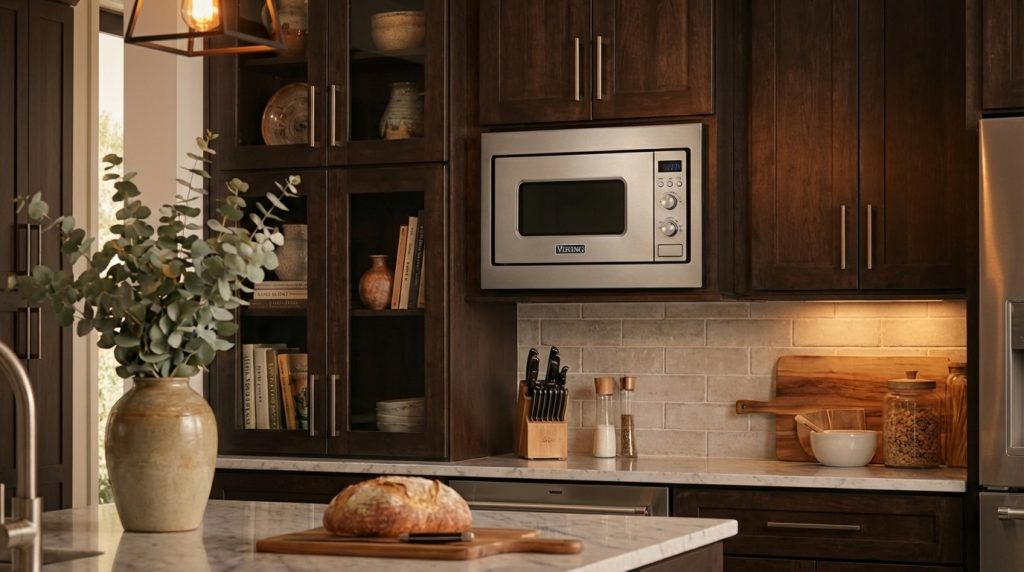
Viking microwaves are known for their premium design, powerful performance, and durability. However, like any kitchen appliance, they can occasionally develop issues over time. From heating problems to control panel malfunctions, understanding the most common Viking microwave problems can help homeowners quickly identify and resolve minor issues before they become more serious.
Many microwave issues are caused by simple factors such as food residue, power supply interruptions, or worn components. Learning how to troubleshoot these problems can save both time and repair costs while keeping your appliance operating efficiently.
In this guide, we will review 15 of the most common Viking microwave problems, explain what may cause them, and provide practical troubleshooting tips that can help restore your microwave’s performance.
How to Troubleshoot Viking Microwaves
Before calling a professional technician, it’s often helpful to perform a few basic troubleshooting steps. Many Viking microwave issues can be identified or even resolved with simple checks that ensure the appliance is functioning properly.
If your microwave is not working as expected, follow these general troubleshooting tips:
- Check the power supply. Make sure the microwave is properly plugged in and the circuit breaker has not tripped.
- Inspect the microwave door. The appliance will not operate if the door is not fully closed or if the door switches are malfunctioning.
- Clean the interior and control panel. Food residue, grease, or moisture can sometimes interfere with normal operation.
- Reset the microwave. Unplug the appliance for a few minutes to reset the internal control system.
- Check the turntable and accessories. Ensure the glass plate and roller guide are properly positioned.
- Listen for unusual sounds. Grinding or buzzing noises may indicate mechanical issues inside the appliance.
Performing these simple checks can often help you identify the cause of a malfunction and determine whether the issue can be resolved at home or requires professional service.
15 Most Common Viking Microwave Problems
Even high-end appliances like Viking microwaves can occasionally experience performance issues. Regular use, normal wear and tear, or improper maintenance may lead to problems that affect heating, controls, or overall operation.
Below are 15 of the most common Viking microwave problems that homeowners encounter. Understanding these issues can help you quickly diagnose the cause, apply basic troubleshooting steps, and decide whether a repair or professional inspection is necessary.
1. Viking Microwave Won’t Turn On
If your Viking microwave won’t turn on, it can be frustrating, especially when the appliance worked normally before. This issue often occurs due to electrical supply problems, safety switch failures, or internal component faults. Fortunately, several simple checks can help you identify the cause before calling a technician.
Many microwave power issues are related to the power source or safety components designed to prevent operation when something is wrong.
- Check the power outlet. Plug another appliance into the same outlet to confirm that it is providing electricity.
- Inspect the circuit breaker. A tripped breaker may cut power to the microwave. Reset it if necessary.
- Examine the power cord. Look for visible damage or loose connections.
- Test the door switches. If the microwave door switch fails, the appliance will not start for safety reasons.
- Check the internal fuse. A blown fuse can stop the microwave from powering on completely.
If none of these steps resolve the issue, the problem may involve the control board or internal wiring, which should be inspected by a professional appliance technician. Addressing the issue early can prevent further damage to your Viking microwave.
2. Viking Microwave Not Heating
A Viking microwave that runs but doesn’t heat food is one of the most common appliance problems. The display and timer may work normally, but the microwave fails to generate heat. This issue is usually related to internal heating components or safety switches.
When the microwave operates without heating, the problem is often connected to the magnetron or other high-voltage components responsible for producing microwave energy.
- Check the door switches. If they fail, the microwave may run without activating the heating system.
- Inspect the magnetron. A faulty magnetron is one of the most common reasons a microwave stops heating.
- Examine the high-voltage diode. A defective diode can prevent the microwave from producing heat.
- Test the capacitor. If the capacitor fails, the microwave cannot generate the necessary energy to heat food.
- Check the control board. A malfunctioning control board may prevent the heating cycle from starting.
Because microwave heating systems involve high-voltage components, repairs should usually be handled by a qualified technician to ensure safety and proper operation.
3. Turntable Not Rotating
If the turntable in your Viking microwave is not rotating, food may heat unevenly or remain cold in some areas. The rotating tray is designed to distribute microwave energy evenly across the food.
A non-spinning turntable can be caused by simple alignment problems or mechanical component failures inside the microwave.
- Check the turntable alignment. Ensure the glass plate is properly seated on the support ring.
- Inspect the roller guide. Dirt or debris may prevent the tray from rotating smoothly.
- Clean the turntable track. Food residue can block the movement of the rotating components.
- Examine the turntable motor. A worn or damaged motor may stop the rotation entirely.
- Test the drive coupler. If the coupler is cracked or loose, the plate may not spin.
Regular cleaning and correct placement of the tray can often prevent this problem. If the motor or internal drive components fail, they may require replacement.
4. Viking Microwave Making Loud Noises
A Viking microwave making loud noises during operation can indicate a mechanical or electrical issue inside the appliance. While microwaves typically produce a low humming sound, grinding, buzzing, or rattling noises may signal a malfunction.
Ignoring unusual noises can lead to more serious appliance damage over time.
- Check for loose objects inside the microwave. Utensils or improperly placed dishes may create rattling sounds.
- Inspect the turntable motor. A failing motor can produce grinding or buzzing noises.
- Examine the cooling fan. A damaged or obstructed fan may cause loud vibrations.
- Check the magnetron. A worn magnetron may produce loud humming sounds.
- Tighten internal components. Loose mounting screws or panels can cause vibration.
If the noise continues even after checking these components, it is best to stop using the microwave and contact a technician to prevent internal damage.
5. Viking Microwave Door Won’t Close Properly
When the door of a Viking microwave won’t close properly, the appliance may refuse to start or stop mid-cycle. Microwave doors contain safety mechanisms that prevent operation if the door is not fully sealed.
Even a small misalignment in the door latch or hinges can trigger these safety systems.
- Inspect the door latch. A worn or broken latch may prevent the door from locking.
- Check the door hinges. Loose or bent hinges can cause misalignment.
- Clean the door frame. Food debris or grease may block the door from closing fully.
- Examine the door switches. Faulty switches may incorrectly detect the door position.
- Look for physical damage. Cracks or warping in the door frame can affect the seal.
Maintaining a properly functioning microwave door is important for both safety and efficient heating. If the door cannot be securely closed after basic inspection, professional repair may be required.
6. Viking Microwave Buttons Not Responding
If the buttons on your Viking microwave are not responding, it can make the appliance difficult or impossible to use. The display may still be visible, but pressing the keypad does nothing or only some buttons work intermittently.
This problem often develops gradually and may be caused by wear, dirt buildup, or internal electronic faults within the control panel.
- Clean the control panel surface. Grease, moisture, or food residue may interfere with the touchpad response.
- Restart the microwave. Unplug the appliance for a few minutes to reset the control system.
- Check for stuck buttons. Sometimes a single jammed button can prevent the keypad from functioning correctly.
- Inspect the touchpad membrane. Over time, the keypad membrane may wear out or become unresponsive.
- Test the control board. A faulty electronic control board can prevent the microwave from registering commands.
If basic cleaning and resetting do not solve the issue, the touchpad or control board may need replacement. These components are essential for operating the microwave safely and efficiently.
7. Viking Microwave Sparks or Arcing
Seeing sparks inside a Viking microwave can be alarming. Arcing occurs when electrical energy jumps between metal surfaces or damaged interior components.
This issue should never be ignored because continuous sparking can damage internal parts and create a potential safety hazard.
- Remove any metal objects. Utensils, foil, or metal-trimmed dishes can cause sparks.
- Inspect the waveguide cover. A damaged or burned waveguide cover can lead to electrical arcing.
- Check for food residue. Grease or burnt food particles on the microwave walls may trigger sparks.
- Examine the interior coating. Chipped paint or exposed metal surfaces can create arcing points.
- Stop using the microwave immediately if sparks continue. Persistent arcing may indicate internal component damage.
Regular cleaning and avoiding metal objects can prevent most sparking issues. However, if the microwave continues to arc, professional inspection is recommended.
8. Viking Microwave Display Not Working
A Viking microwave display that is not working can make it difficult to set cooking times or monitor the appliance during operation. In some cases, the microwave may still run, but the screen remains dark or unreadable.
Display problems are typically related to power supply issues, control board faults, or internal wiring failures.
- Check the power supply. Ensure the microwave is properly plugged in and receiving electricity.
- Reset the appliance. Disconnect power for several minutes to reset the internal electronics.
- Inspect the control board. A malfunctioning board may prevent the display from functioning.
- Check wiring connections. Loose wires inside the microwave can interrupt the display signal.
- Test the display module. A defective display unit may need replacement.
If the display remains blank after resetting the microwave, the issue is likely electronic and may require professional repair or part replacement.
9. Viking Microwave Stopping Mid-Cycle
If your Viking microwave stops mid-cycle, it can interrupt cooking and leave food partially heated. The microwave may shut off unexpectedly even though the timer has not finished counting down.
This issue can be caused by overheating protection systems, faulty switches, or electrical component failures.
- Check the door alignment. If the door shifts slightly, the safety switches may stop the microwave.
- Inspect the cooling vents. Blocked ventilation can cause the microwave to overheat and shut down.
- Test the thermal fuse. A faulty fuse may interrupt power during operation.
- Check the control board. Malfunctions in the control system can stop the cooking cycle.
- Allow the microwave to cool down. Overheating protection may temporarily disable the appliance.
If the microwave repeatedly stops during cooking, it may indicate internal overheating or failing electrical components, which should be inspected by a technician.
10. Viking Microwave Oven Light Not Working
When the oven light inside a Viking microwave stops working, it may become difficult to monitor food during the cooking process. Although this issue does not usually affect heating performance, it can reduce convenience and visibility.
In most cases, a non-working microwave light is caused by a burned-out bulb or a simple electrical connection problem.
- Check the light bulb. The bulb may simply need replacement after extended use.
- Unplug the microwave before inspection. Always disconnect power for safety.
- Inspect the bulb socket. Loose or damaged sockets may prevent the bulb from working.
- Check the door switch. The light may depend on the door switch to activate.
- Test the internal wiring. Electrical faults may prevent power from reaching the bulb.
Replacing the bulb is usually a quick and inexpensive fix. However, if the new bulb does not work, the issue may involve wiring or control board problems that require professional service.
11. Viking Microwave Timer Not Working
If the timer on your Viking microwave is not working, it can make cooking inconvenient and lead to uneven heating. The timer may fail to start, stop unexpectedly, or display incorrect countdown times.
Timer problems are usually connected to the control panel, internal electronics, or software glitches within the microwave system.
- Reset the microwave. Unplug the appliance for several minutes to reset the internal control system.
- Check the control panel buttons. A faulty or unresponsive keypad may prevent the timer from activating.
- Inspect the control board. Timer malfunctions are often linked to electronic control board issues.
- Look for display errors. If the screen freezes or flickers, the timer may not function correctly.
- Test power supply stability. Fluctuating electrical supply can disrupt timer operation.
If resetting the microwave does not restore the timer function, the issue may involve the control board or internal circuitry, which may require professional repair.
12. Viking Microwave Odor or Smoke During Use
A Viking microwave producing odor or smoke during use can be concerning and should be addressed immediately. While some smells may come from food spills or residue, smoke can also indicate overheating or electrical problems.
Identifying the source of the smell or smoke quickly is important to prevent damage to the appliance.
- Check for burnt food residue. Old food particles inside the microwave can produce smoke when reheated.
- Clean the interior surfaces. Grease buildup on walls or the ceiling may burn during cooking.
- Inspect the waveguide cover. Damage or heavy residue may cause overheating and odor.
- Avoid overheating food. Excessive cooking time can produce smoke or burning smells.
- Stop using the microwave if smoke continues. Persistent smoke may indicate electrical or internal component failure.
Regular cleaning and proper cooking times can prevent most odor-related issues. However, if smoke occurs frequently, the microwave should be inspected to rule out internal damage or overheating components.
13. Viking Microwave Buttons Sticking
If the buttons on your Viking microwave feel sticky or difficult to press, operating the appliance can become frustrating. This issue is often caused by grease buildup, dirt accumulation, or wear in the keypad membrane.
Sticky buttons may start as a minor inconvenience but can eventually lead to complete keypad failure.
- Clean the keypad surface. Use a soft cloth and mild cleaner to remove grease and residue.
- Check for moisture around the panel. Excess moisture can affect button sensitivity.
- Inspect the keypad membrane. Worn-out membranes may cause buttons to stick.
- Reset the microwave. Restarting the appliance may resolve temporary control glitches.
- Replace the control panel if necessary. Severe wear may require keypad replacement.
Maintaining a clean control panel can significantly extend the life of the microwave keypad. If multiple buttons stop responding, the entire control panel assembly may need replacement.
14. Viking Microwave Not Defrosting Properly
When a Viking microwave does not defrost food properly, the outer portions may begin to cook while the center remains frozen. This uneven defrosting can affect food quality and cooking results.
Defrosting problems often occur due to incorrect settings, turntable issues, or uneven microwave energy distribution.
- Check the defrost settings. Ensure the correct weight or time is selected for the food.
- Verify that the turntable rotates. A non-spinning plate can cause uneven thawing.
- Reposition the food. Placing food in the center improves microwave energy distribution.
- Pause and flip the food halfway through. This helps ensure even thawing.
- Inspect the magnetron or heating system. Weak microwave energy can affect defrost performance.
Proper defrosting settings and correct food placement can greatly improve results. If the microwave consistently fails to defrost food evenly, the issue may involve internal heating components.
15. Viking Microwave Interior Rusting
Rust inside a Viking microwave can develop over time due to moisture, food spills, or damaged interior coating. While small rust spots may seem harmless, they can eventually damage the microwave cavity if left untreated.
Rust formation is often a result of prolonged exposure to moisture or scratches in the protective interior surface.
- Inspect the interior walls regularly. Look for chipped paint or early signs of rust.
- Clean spills immediately. Moisture and food residue can accelerate rust formation.
- Dry the interior after cleaning. Avoid leaving excess moisture inside the microwave.
- Use microwave-safe containers. Certain materials can scratch the interior coating.
- Repair small rust spots early. Special microwave cavity paint can prevent further corrosion.
Taking preventative measures can help extend the lifespan of the appliance. If rust spreads or exposes bare metal, the microwave may require professional repair or interior refinishing.
Signs Your Viking Microwave Needs Professional Service
While many minor issues can be resolved with basic troubleshooting, some problems require the attention of a qualified technician. Microwaves contain high-voltage components that can be dangerous to repair without proper training and tools. If certain warning signs appear, it is safer and more effective to seek professional appliance service.
Ignoring serious microwave problems may lead to further damage, safety risks, or reduced appliance performance.
Here are some common signs that your Viking microwave may need professional repair:
- The microwave repeatedly stops working or shuts off during operation. This may indicate overheating components or electrical faults.
- The appliance runs but does not heat food. A failing magnetron, capacitor, or diode could be responsible.
- Sparks or arcing occur inside the microwave. Persistent sparking may signal internal damage or a faulty waveguide cover.
- The control panel or display stops functioning. Electronic control board failures often require professional replacement.
- You notice burning smells, smoke, or unusual odors. Electrical issues or overheated components may be the cause.
- The microwave makes loud or unusual noises. Grinding, buzzing, or rattling sounds can indicate internal mechanical problems.
- The door will not close securely or the microwave won’t start. Door switches and latch systems may require adjustment or replacement.
If you experience any of these issues, it is best to stop using the appliance and contact a certified technician. Professional service ensures that repairs are performed safely and that your microwave continues to operate efficiently.
How to Maintain Your Viking Microwave
Regular maintenance is essential for keeping your Viking microwave running efficiently and preventing common problems. Simple cleaning and routine inspections can extend the lifespan of the appliance and ensure consistent cooking performance.
By following a basic maintenance routine, you can reduce the likelihood of breakdowns and maintain safe operation in your kitchen.
Viking Microwave Maintenance Checklist
Use the following checklist to keep your microwave in good working condition:
- Clean the interior after heavy use. Wipe down the walls, ceiling, and turntable to remove food residue and grease.
- Wash the glass turntable regularly. Remove and clean it with warm water and mild dish soap.
- Inspect the door seal and latch. Make sure the door closes properly and the seal remains clean and intact.
- Wipe the control panel. Use a soft cloth to prevent grease buildup on the keypad.
- Check ventilation openings. Ensure vents are not blocked by dust or kitchen debris.
- Look for signs of rust or interior damage. Address chipped paint or rust spots early to prevent corrosion.
Recommended Maintenance Schedule
Following a consistent maintenance schedule can help prevent many common microwave issues:
- After each use: Wipe up spills and remove food splatters.
- Weekly: Clean the interior surfaces and wash the turntable.
- Monthly: Inspect the door seals, hinges, and ventilation openings.
- Every 6 months: Perform a deeper cleaning and check for signs of wear, rust, or unusual noises.
- Once a year: Consider a professional inspection if the microwave is heavily used.
Consistent maintenance not only helps prevent common Viking microwave problems, but also ensures safe operation and reliable performance for years to come.
Viking microwaves are high-quality appliances designed for durability and performance, but even the best microwaves can experience issues over time. From unresponsive buttons and turntable problems to heating failures and internal rust, understanding the most common Viking microwave problems can help you quickly identify and address potential issues.
Regular maintenance, careful use, and timely troubleshooting are key to keeping your microwave operating efficiently. By following the steps outlined in this guide and recognizing signs that professional service is needed, you can prevent small problems from turning into costly repairs and extend the life of your appliance.
Investing a little time in proper care and maintenance ensures that your Viking microwave remains safe, reliable, and ready to handle all your cooking needs for years to come.
Frequently Asked Questions about Viking Microwave Problems
Why won’t my Viking microwave turn on?
Possible causes include blown fuse, faulty power cord, or control board issues. Always check the power supply first.
Why is my Viking microwave not heating food?
Common reasons include defective magnetron, faulty door switch, or capacitor issues. Professional diagnosis may be needed.
Why does my Viking microwave make loud noises?
This could be due to a broken turntable motor, loose fan, or magnetron issues.
How do I clean white residue or spots from my microwave?
Use mild dish soap and a soft cloth. Avoid abrasive cleaners that may damage the interior.
Can I fix my Viking microwave myself?
Some minor issues can be fixed at home, but electrical and magnetron problems should always be handled by a professional.